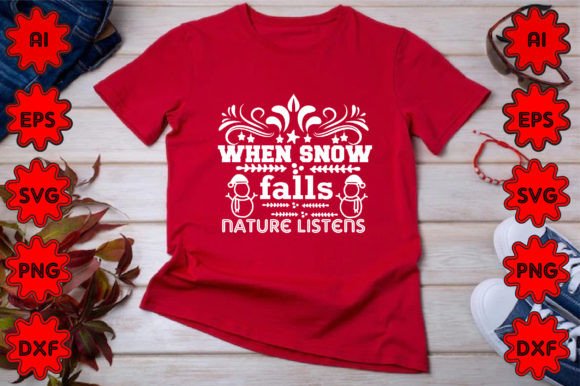
Reviewing When Snow Fails Nature Listens for Embroidery
As a designer who spends more time staring at stitch simulations than I do sleeping, I have learned to be skeptical of pretty pictures. A design might look stunning on a screen, but the moment it hits the needle, reality sets in. Recently, I came across a piece titled When Snow Fails Nature Listens. It caught my eye not just for its poetic name, but for the quiet confidence of its layout. Before diving into client work or updating my shop inventory, I needed to understand how this graphic translates from a digital asset to a tangible, stitched product.
This is not just another generic clipart review. This is an evaluation of how When Snow Fails Nature Listens holds up under the pressure of real-world production, specifically for those of us running craft businesses, Etsy shops, or creating personalized gifts for friends and family.
The First Impression: Mood and Layout
The initial visual impact of When Snow Fails Nature Listens is one of serene minimalism. In a market saturated with loud, overly complex patterns, this design breathes. The typography appears balanced, suggesting a theme of resilience and natural beauty. For an embroidery project, this is crucial. Overly dense designs can puckers fabric and break needles, but a layout that respects negative space allows the thread to shine.
The mood here is contemplative. It feels appropriate for winter-themed collections, but its elegance makes it versatile enough for year-round use in boutique branding or home decor. When I imagine this stitched onto a cream-colored linen tote bag, it doesn’t scream for attention; it invites a closer look. That subtle engagement is exactly what high-end handmade products need to stand out in a crowded marketplace.
Real-World Application: From Screen to Stitch
To test the viability of this design, I mentally walked through several common production scenarios. Let’s start with custom apparel. Imagine a heavyweight cotton sweatshirt. The phrase When Snow Fails Nature Listens would sit beautifully across the chest or subtly on the left sleeve. Because the design relies on strong typographic elements, it requires precise digitizing. If the letters are too thin, they may disappear into the fabric texture. If they are too thick, the garment becomes stiff and uncomfortable.
For small business owners, versatility is key. This design could easily transition from a sweatshirt embroidery project to a set of kitchen tea towels. On terry cloth, the contrast between the soft loops and the crisp lines of the text creates a lovely tactile experience. However, this is where you must be cautious. Terry cloth is unforgiving. You would need a robust stabilizer and potentially a slightly adjusted stitch density to ensure the letters remain legible without sinking into the pile.
Another strong candidate for this graphic is the embroidered patch. Patches are trending heavily in the current craft economy. A satin stitch border around the text could frame the message nicely, making it a durable accessory for jackets or bags. Since patches are often viewed up close, the clarity of the curves and corners in the lettering becomes paramount.
Technical Considerations and File Formats
One aspect that surprised me initially was the file structure provided. The product description notes that you receive a zip file containing an Ai file, an EPS file, and an SVG file. It is important to clarify what this means for an embroiderer. These are vector graphics files, typically used for cutting machines like Cricut or Silhouette, or for editing in Adobe Illustrator and Corel Draw.
This is not a pre-digitized machine embroidery file like a DST or PES. This distinction is vital. As an experienced reviewer, I must advise that you cannot simply load these files into your embroidery machine. You will need to use these vector assets as a reference to digitize the design yourself, or hire a digitizer to convert the artwork into a stitch file. This is actually a benefit for professional designers because it gives you full control over the stitch density, underlay, and thread colors. You can customize the thread colors to match your brand palette perfectly, something pre-made embroidery files rarely allow.
If you are a hobbyist without digitizing software, you might find this limiting. However, for Etsy sellers and creative entrepreneurs who want unique, non-generic results, having the AI and SVG files allows for infinite customization before the stitching even begins.
Where to Use Caution
While the design is strong, it is not without its challenges. Tiny serifs or delicate connectors in the font could cause thread breaks if the needle size is too large or the tension too tight. I recommend testing the design on scrap fabric first. Always check the smallest details. If the design includes fine lines, consider using a single run stitch instead of a satin stitch for those specific elements to reduce bulk.
Be mindful of hoop size constraints. If you plan to place this on a cap, the curved surface distorts the design. You may need to adjust the pull compensation in your digitizing software to prevent the text from looking stretched. Similarly, on stretchy fabrics like jersey knits, a proper cut-away stabilizer is non-negotiable to maintain the integrity of the lettering after washing.
Enhancing Brand Value and Customer Trust
Why choose When Snow Fails Nature Listens over a free clipart alternative? The answer lies in perceived value. A well-executed embroidery project signals quality. When a customer receives a personalized gift featuring this quote, the clean lines and thoughtful placement suggest professionalism. It builds trust. In the world of commercial embroidery, consistency is king. Using a high-quality vector source ensures that every time you reproduce this item, it looks identical.
For digital product sellers, these graphics can also be used in printable mockups. You can overlay the SVG onto photos of blank garments to create compelling listings before you even stitch a single thread. This saves time and materials during the product development phase.
Final Verdict for Makers
When Snow Fails Nature Listens is a sophisticated addition to any designer’s library of design assets. It is not a plug-and-play solution for beginners without digitizing skills, but for those who understand the craft, it offers immense flexibility. It fits naturally into categories like holiday embroidery, baby embroidery for nursery decor, or upscale tote bag design.
My advice is simple: respect the material. Test your stitches, choose your stabilizer wisely, and let the simplicity of the design do the heavy lifting. Whether you are creating a finished product for a boutique or a handmade product for a loved one, this design has the potential to elevate your work from simple craft to curated art. Just remember to verify the licensing terms for commercial use if you plan to sell the final stitched items, as vector licenses can differ from embroidery file licenses.