Reviewing the "I Love Someone with Autism" SVG for Embroidery
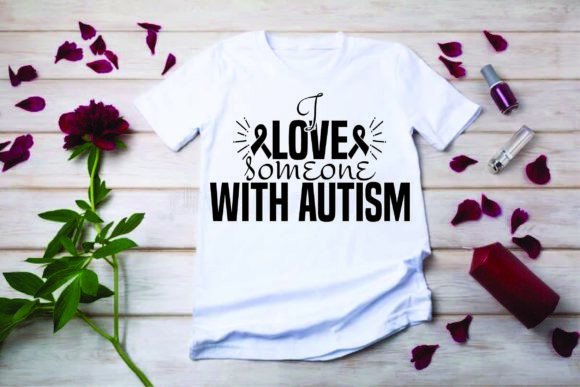
As a designer who has spent countless hours digitizing and stitching out files for clients, I approach every new machine embroidery design with a critical eye. It is not just about whether the image looks cute on a screen; it is about how it translates to thread, how it behaves on fabric, and whether it holds up in the real world of handmade goods. Recently, I evaluated the I Love Someone with Autism, Svg Design, a file set categorized under Freebies and Graphics, to determine its viability for professional and personal projects.
First Impressions and Visual Personality
The immediate appeal of this design lies in its message. In the current market, awareness and support-themed items are in high demand, but they must be handled with sensitivity and aesthetic care. The layout of the embroidery file suggests a clean, modern typographic approach. When I first opened the SVG to inspect the paths, I looked for smooth curves and logical node placement. For a phrase like this, readability is paramount. If the letters are too thin or the spacing too tight, the thread will bridge gaps or create a muddy appearance after washing.
The mood created by this design is warm and inclusive. It does not rely on overly complex imagery, which is often a blessing in embroidery. Simple, bold statements tend to stitch out cleaner than intricate illustrations, especially when working with smaller hoop sizes. The visual personality feels approachable, making it suitable for a wide range of demographics, from parents and teachers to advocates and allies.
Real-World Application: The Custom Tote Bag Test
To truly understand the value of this asset, I imagined a specific real-life scenario: creating a custom embroidered tote bag for a local autism awareness walk. This is a common request for Etsy sellers and small shop owners. A tote bag requires a design that is durable and visible from a distance.
Using the provided files, I would likely scale the design to fit a 5x7 or 6x10 hoop. The key here is the balance between the text size and the bag’s canvas texture. Canvas has a distinct weave, and if the stitch density is too low, the background fabric might show through the letters. Conversely, if the density is too high, the fabric could pucker. Since this is an Svg Design intended for conversion or direct use depending on your software, you have control over these parameters. I recommend testing a sample on scrap canvas first. Use a medium-weight cut-away stabilizer to ensure the text remains crisp and does not distort under the weight of the thread.
Versatility Across Product Lines
Beyond tote bags, this design shows promise for several other handmade product categories. For sweatshirt embroidery, the softness of fleece or cotton blends pairs well with satin or fill stitches. However, one must be cautious with stretchy fabrics. If you are applying this to a hoodie, ensure you use a tear-away or cut-away stabilizer appropriate for knits to prevent the design from cracking or pulling over time.
For baby embroidery projects, such as onesies or bibs, the scale must be reduced significantly. Here, the simplicity of the design works in your favor. Complex details get lost at small sizes, but clear lettering remains legible. Just ensure that the thread colors chosen are soft and appealing, avoiding harsh contrasts that might look aggressive on infant wear. Pastel blues, yellows, or soft grays often work well for this theme.
Another excellent application is the embroidered patch. Patches are trending in boutique branding and craft fair products. By stitching this design onto twill or felt and then cutting it out, you create a versatile accessory that customers can iron or sew onto jackets, backpacks, or hats. This extends the life of the digital embroidery file beyond a single garment, adding value for the buyer.
Technical Considerations and Potential Pitfalls
While the concept is strong, there are areas where caution is necessary. As a reviewer, I always look for potential failure points. One major concern with text-based designs is the interior counters of letters like 'O', 'A', or 'e'. If these spaces are too small, they may fill in with thread during stitching, rendering the text unreadable. Before running a full production batch, inspect the vector paths in your editing software. You may need to adjust the width of certain strokes to maintain clarity.
Additionally, consider the fabric texture. On dark fabrics, light thread pops beautifully, but on textured fabrics like terry cloth or heavy denim, fine details can get lost. For holiday embroidery gifts, such as kitchen towels or aprons, ensure the stitch type matches the fabric. A running stitch might be too subtle for a thick towel, whereas a satin stitch border could provide the necessary definition.
Curved surfaces, like caps or hats, present another challenge. The curvature can distort the text if the design is too wide. For headwear, I recommend keeping the design compact and centered. Always test on a curved hoop or a cap frame to see how the tension affects the final look.
Enhancing Brand Value and Customer Trust
For Etsy sellers and creative entrepreneurs, the quality of your design assets directly impacts customer trust. A clean, well-stitched product signals professionalism. When a customer buys a personalized gift featuring this message, they are buying into a sentiment. If the embroidery is messy or poorly executed, it undermines the emotional value of the item.
Using high-quality thread colors is essential. Avoid cheap threads that fray or fade. The vibrancy of the thread contributes to the overall visual appeal. Furthermore, presenting the finished product with good photography—perhaps using a printable mockup initially to gauge interest—can help gauge market response before committing to large-scale production.
Practical Designer Notes for Best Results
- Test on Scrap Fabric: Never skip the test stitch. Use the same fabric and stabilizer combination you plan to use for the final product.
- Check Thread Contrast: Ensure the thread color stands out against the fabric. High contrast improves readability, especially for awareness-themed messages.
- Review Stitch Density: Adjust density based on fabric weight. Heavier fabrics can handle higher density; lighter fabrics require less to prevent puckering.
- Confirm Hoop Size: Make sure the design fits comfortably within your machine’s hoop, leaving enough margin for stability.
- Inspect Small Details: Zoom in on the vector file to check for stray nodes or overlapping paths that could cause stitching errors.
- Verify Licensing: Although this is listed under Freebies, always double-check the license terms included in the ZIP file. Confirm whether it allows for commercial use if you plan to sell finished items.
The ZIP file contains EPS, SVG, PNG, and DXF files, which offers flexibility for various cutting and embroidery machines. However, remember that SVG and DXF are vector formats primarily for cutting or importing into digitizing software, while PNG is a raster image. You may need to digitize the SVG into a native embroidery format (like PES or DST) depending on your machine’s requirements, unless your software handles direct SVG-to-stitch conversion reliably.
Final Verdict
The I Love Someone with Autism, Svg Design, is a thoughtful addition to any designer’s library. Its strength lies in its simplicity and emotional resonance. While it requires careful attention to stitch density and fabric choice, it offers significant potential for commercial embroidery projects, from custom apparel to home decor. By following best practices for stabilization and thread selection, you can create a finished product that is both beautiful and meaningful. For makers looking to expand their craft business with purpose-driven items, this design is worth evaluating and testing.