Reviewing Adventure- T-shart Design, Born to Camp
As a designer who has spent countless hours digitizing and stitching out thousands of patterns, I approach every new machine embroidery design with a mix of curiosity and caution. We all know that what looks crisp on a screen does not always translate beautifully to fabric. Recently, I downloaded the Adventure- T-shart Design, Born to Camp from the Freebies section to evaluate its potential for real-world application. This is not just about downloading a file; it is about understanding how a graphic translates into thread, texture, and tangible value for your craft business.
First Impressions and Visual Personality
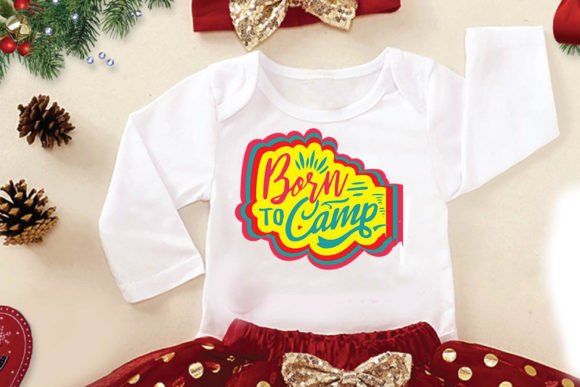
The moment I opened the files included in the ZIP archive—specifically the EPS, SVG, PNG, and DXF formats—I was struck by the bold, rustic aesthetic. The phrase "Born to Camp" suggests a lifestyle brand appeal, targeting outdoor enthusiasts, families who love nature, and the growing market of adventure-seeking consumers. The layout feels balanced, with a visual weight that commands attention without being overly cluttered.
For an embroidery project, clarity is king. The shapes within this design appear distinct, which is crucial for maintaining stitch definition. When I imagine this stitched out, I see strong potential for a mix of satin stitch borders and fill stitch interiors, depending on how you choose to digitize or utilize the provided graphics. The mood is inviting and rugged, making it an excellent candidate for products that need to convey durability and spirit.
Real-World Application: The Sweatshirt Test
To truly test the viability of this design, I mentally placed it on a heavyweight cotton blend sweatshirt. This is a staple item for any Etsy seller or small shop product line. The "Born to Camp" theme fits perfectly with the current trend of cozy, outdoor-inspired apparel. Imagine this embroidered on the left chest of a charcoal grey hoodie or across the back of a canvas tote bag.
In this scenario, the design acts as more than just decoration; it becomes a statement piece. For a custom apparel order, a client might request this for a family camping trip or a scout group gift. The visual appeal here drives customer trust because it looks professional and intentional. If the lines are clean and the spacing is adequate, the finished product will look high-end, increasing the perceived value of your handmade product.
Versatility Across Product Lines
Beyond sweatshirts, this design offers flexibility. Consider these applications:
- Tote bag design: A natural fit for canvas materials where bold graphics stand out against textured fabric.
- Embroidered patch: Perfect for creating iron-on or sew-on patches that customers can add to jackets or backpacks.
- Holiday embroidery: Ideal for summer camp gifts or back-to-school items with an outdoor twist.
- Nursery decor: Softened with pastel thread colors, it could work on baby blankets for adventurous parents.
However, versatility requires careful execution. As a reviewer, I must point out that while the concept is strong, the technical setup determines success. Since the download includes vector and raster graphics (EPS, SVG, PNG, DXF), you may need to digitize this yourself or use software that converts these graphics into an embroidery file compatible with your machine. This step is critical. You cannot simply print a PNG onto fabric and expect it to hold up in the wash.
Technical Considerations and Stitching Challenges
When working with any design that features text and illustrative elements, stitch density is a primary concern. If you are converting this graphic into a machine embroidery design, you must ensure that the fill stitches are not too dense, which can cause puckering, especially on thinner fabrics like t-shirts or baby clothes. Conversely, if the density is too low, the fabric background may show through, ruining the visual clarity.
I recommend testing the design on scrap fabric first. Use the same stabilizer you plan to use for the final product. For a sweatshirt, a cut-away stabilizer is often best to support the weight of the stitches. For a woven tote bag, a tear-away might suffice, but always check the back of the hoop after stitching to ensure no pulling or distortion has occurred.
Fabric and Hoop Size Constraints
Pay close attention to the scale. If you are using this on a curved surface like a cap or hat, the design needs to be simplified. Complex details and tiny lettering can get lost or distort on curved hoops. The "Born to Camp" text must remain legible. If the original graphic has very thin lines, you may need to adjust them to accommodate a running stitch or a narrow satin stitch.
Dark fabrics present another challenge. If you are stitching this on navy or black fabric, ensure your thread colors have enough contrast. A dark brown thread on a black shirt will vanish. Always do a test run in black and white mockups to check visibility before committing to expensive threads.
Commercial Viability and Brand Consistency
For commercial embroidery projects, consistency is key. If you are building a brand around outdoor gear, this design aligns well with that narrative. It enhances brand recognition because it speaks directly to a specific audience. However, before selling finished items or digital products derived from this freebie, you must confirm the licensing terms.
Many freebies come with restrictions. Does the license allow for commercial use? Can you sell the physical embroidered item? Can you resell the digital file? These are questions you must answer before listing anything on Etsy or at a craft fair. Never assume a free download is free for commercial exploitation. Check the accompanying documentation or the website’s terms of service.
Final Verdict for Designers and Makers
The Adventure- T-shart Design, Born to Camp is a promising asset for your design library. Its strength lies in its thematic relevance and bold visual structure. It is not just a graphic; it is a starting point for creating meaningful personalized gifts and boutique branding materials.
To get the best results:
- Verify the license for commercial use before selling.
- Digitize carefully, paying attention to stitch density and underlay.
- Test on various fabric textures to ensure stability.
- Choose thread colors that offer high contrast against your base material.
- Consider the end-use: is it for a rugged patch or a delicate baby item?
In the hands of a skilled maker, this design can elevate a simple garment into a cherished keepsake. It reminds us that embroidery is not just about putting thread on cloth; it is about capturing a feeling—in this case, the spirit of adventure. Whether you are an experienced designer or a hobbyist looking to expand your portfolio, this design deserves a spot in your next embroidery project, provided you approach it with the technical respect it requires.